
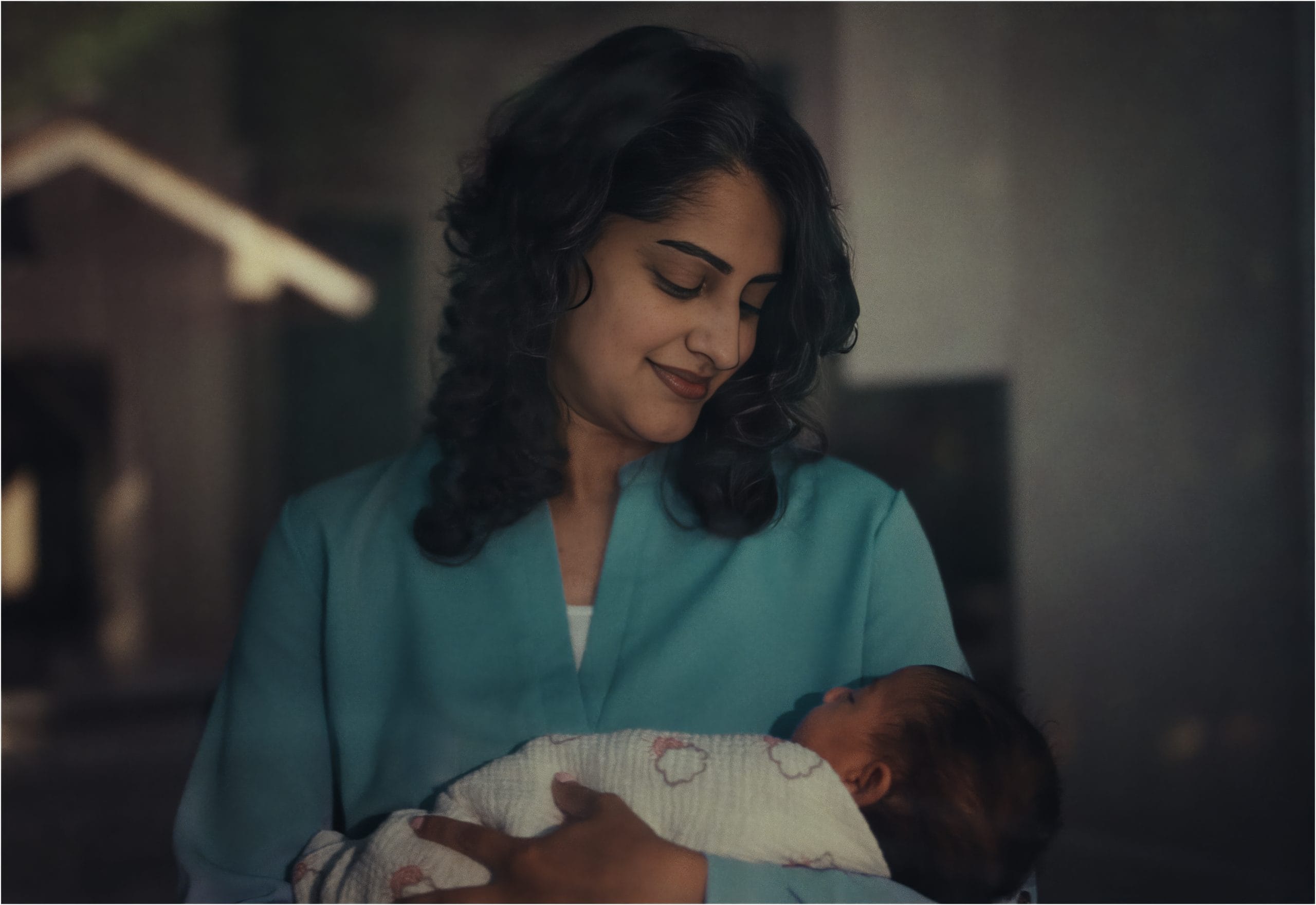
Infant and Early Childhood Mental Health

Mental health is real for babies and toddlers, too.
Starting in pregnancy, our brain develops faster than any other time of our lives, reaching 90% of its adult size by the age of five. We know from medical research that the first six years of life set the stage for mental health for the rest of our lives.
Positive experiences can strengthen key neural connections—essentially, how the brain grows—while negative experiences can limit those connections.
Some negative experiences—such as abuse, exposure to caregiver violence, high-conflict divorce, addiction, or mental illness at home—can lead to toxic stress responses in the body that create physical changes in a child’s brain, impacting their hormonal and immune system development.
Fortunately, a secure relationship between a young child and their caregiver supports healthy brain development and can help to buffer the effects of early stress. It is one of the most important ingredients in building resilient brains and bodies in growing kids, and even small everyday changes can have a huge impact.
Signs of Infant and Early Childhood Mental Health Struggles
Approximately 1 in 5 children and youth in Ontario has a mental health challenge, and many young adults report that their symptoms began in early childhood.
While it’s normal for infants and young children to have a variety of moods, thoughts, and behaviours, it can be especially hard in the early years to know if or when something is feeling off with your child. Some indicators that babies, toddlers, and kindergartners may be struggling with their mental health can include:
- Uncontrollable temper tantrums
- Extreme shyness
- Acting out or rebelling against authority
- Worrying constantly
- Experiencing frequent mood swings
- Poor sleep patterns
- Difficulties with feeding or toileting
- Persistent or unconsolable crying
- Restlessness
- Stomach aches
- Anxiety and tension
- Distress and fear
- Lack of weight gain or failure to thrive
- Failure to meet expected developmental milestones
- Difficulty separating from a parent

Although these characteristics and behaviours may not be signs of an underlying mental health concern or disorder, they can be if they:
- Are intense and persist
- Are inappropriate for the child’s age
- Interfere with the child’s life, including family life, daycare, or school
If You Are Having This Experience, Know That Many Other Parents Are Too.
75% +
Since 2010, mental health emergency visits at the Children’s Hospital of Eastern Ontario have increased by 75%.
26%
One in four (26%) children in Ottawa are behind in their development as they enter school.
1 in 4
One quarter of Ontario parents have missed work to care for a child with anxiety.
Resources to Help You Understand What You're Seeing
You are not alone. Many parents and caregivers feel alone and isolated out of fear of judgment, but help is available.
Click on any of the guides for tips to support infant and early childhood mental health.


